Table Of Content
- The History Of Spanish Style Homes
- Beautiful & Bespoke Designer-Done Pool Home in Los Feliz Hills 3736 Lowry Road
- The Pivotal Moment in the History of the Spanish Architectural Movement
- Stucco Walls:
- Vintage Chic Mid-Century Charmer with Pool & ADU Potential in Los Feliz 4122 Holly Knoll Drive
- Related Searches in Los Angeles, CA

A variety of subsets of Spanish style started popping out under various names, such as Spanish Eclectic, Spanish Revival, Spanish Colonial, Mission Revival, and Moorish. Most concrete block (CMU) homes have 2 x 4 or 2 x 6 exterior walls on the 2nd story. One of the most beloved pieces in the house is a great mid-century style rocking chair. "You immediately want to plunk down onto it and just stare out the window," she says. "With such great bones everything needed to be clean-lined and simple," explains Denham. Los Angeles | Lifestyle | Homes | Hollywood History | News | Nightlife | Architecture | Art | Food & Wine | by Jacqueline Tager, Sotheby’s International Realty.
The History Of Spanish Style Homes
The spacious formal dining room showcases high ceilings, arched windows, and detailed plasterwork. The traditional floor plan of the home allows you to entertain your guests in style. "This room isn’t large so we kept it light and airy with white linen curtains; a constant throughout the house to maintain that breezy vibe," Denham notes. To continue with the idea of indoor/outdoor, the buffet is actually an outdoor garden console table. Again repeating this concept with the light fixtures, she used iron lanterns traditionally used for outdoors over the table. The kitchen is also small so Denham kept it simple and found a beautiful 18th-century pine oak table with painted green legs that stand out against the terracotta floors and white cabinetry.
Beautiful & Bespoke Designer-Done Pool Home in Los Feliz Hills 3736 Lowry Road
While the new white perimeter cabinetry is fairly simple, a highly decorative dark-stained oak island and a detailed built-in pantry evoke the furniture of the period style. Stained-glass windows, colorful Spanish tile and wrought iron railings. Grand foyer opens to this impeccably turnkey 4-bedroom estate surrounded by natural light.
Small plane narrowly misses house during crash landing in Spanish Fork - Salt Lake Tribune
Small plane narrowly misses house during crash landing in Spanish Fork.
Posted: Sat, 10 Feb 2024 08:00:00 GMT [source]
The Pivotal Moment in the History of the Spanish Architectural Movement
Now, let’s explore the interior style features that contribute to creating a warm and inviting ambiance. Spanish architects carefully plan Spanish-style homes, taking the humid temperature into consideration. Small windows serve a practical purpose by allowing cool air to flow in because of the air compression.
Built in the first half of the 20th century, Spanish Revival houses feature stucco walls inside and out, archways, large windows, elaborate ironwork, heavy wood beams, and decorative tilework. Spanish-style homes are designed to bring a vibe of freshness and coolness into the house. On close observation, you will find the strong essence of Mediterranean building styles offering a unique experience.
Vintage Chic Mid-Century Charmer with Pool & ADU Potential in Los Feliz 4122 Holly Knoll Drive
Architects’ Los Angeles Home Embraces Tube-Like Design - The New York Times
Architects’ Los Angeles Home Embraces Tube-Like Design.
Posted: Wed, 06 Mar 2024 08:00:00 GMT [source]
These Spanish home listings are updated throughout the day from the Los Angeles, California MLS. Further, the expansion of the revolution can be seen if you look at the intricate work performed after the 1925 earthquake in Santa Barbara. The devastating earthquake allowed the architects to incorporate many Spanish elements. Another area features teak lounge chairs for an intimate spot to read a book or chat with a friend. Denham managed to fill all of the awkward nooks in this home with beautiful furniture and made the design just as compelling as any other room.
ARCHITECT RICHARD NEUTRA
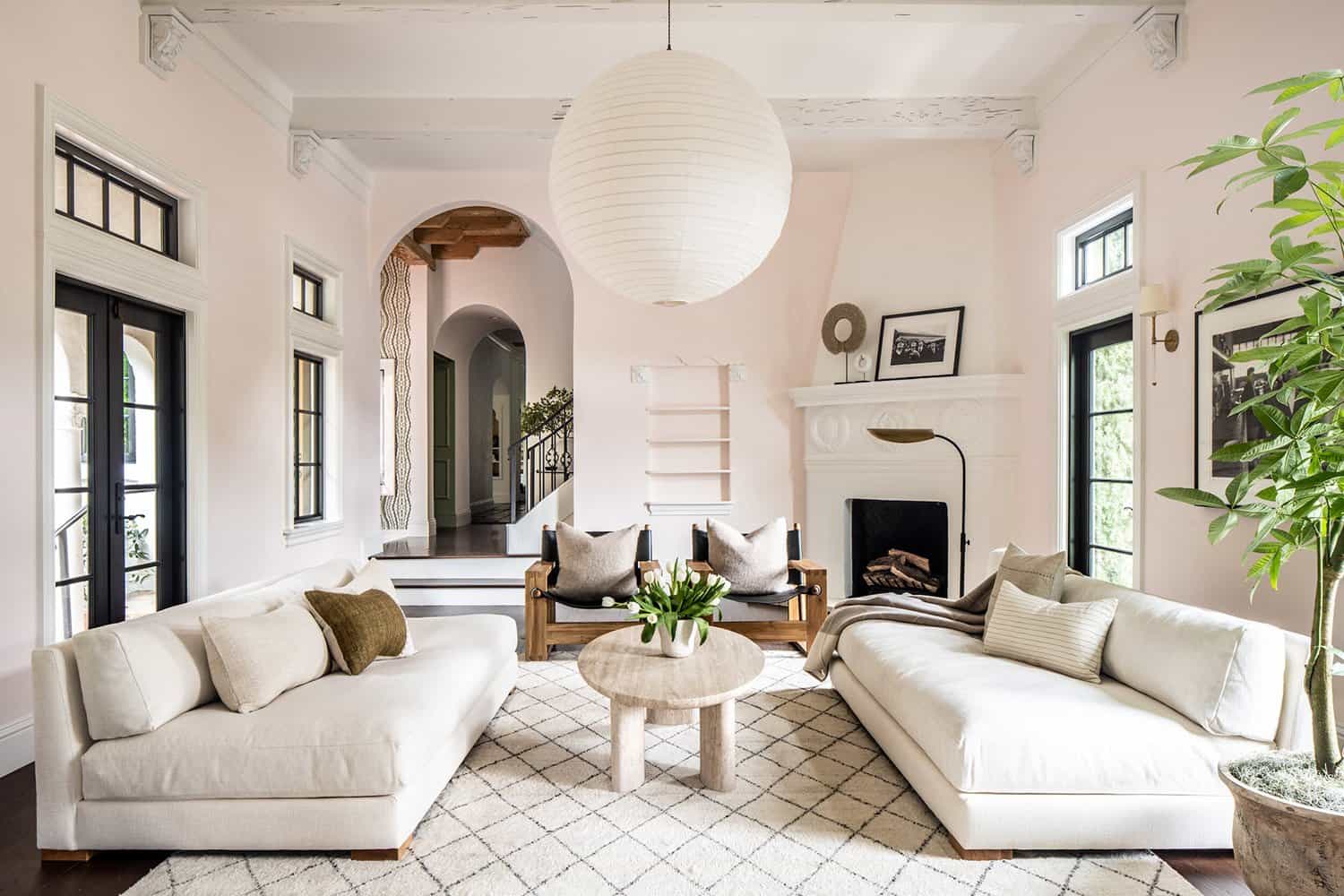
Spanish Colonial homes often have a central courtyard, which was originally used for cooking and washing clothes. The exterior walls of Spanish architecture provide shelter from the hot climate. Today, many Spanish Colonial courtyards have been converted into a welcoming outdoor space that is perfect for entertaining or relaxing with pools and lush gardens. And finally, courtyards can act as a buffer between the home and the outside world, providing a sense of privacy and security. If we look into the history, the Spanish architecture was first built in Spain around 400 years ago, in the 1500s. During the colonial revival movement, the style was born and soon became the primary construction style.
Spanish homes and are a great way to invite Mother Nature inside, like coming home. Possibly the most important feature of Spanish architecture is that these homes are meant to induce a warm, cozy feeling, while still being grand in size. Allow our Los Angeles real estate experts to guide you in purchasing your new Spanish property or the sale of your current residence.
Red Tile Roofs:
It is characterized by simple, sturdy forms that celebrate hand-craftsmanship, showcasing natural wood elements such as beams, trimwork, and built-ins, and an earth-tone palette. The soaring two story formal living room enchants with ornate stenciled wood beams, a striking fireplace and rows of French doors that open to the expansive view terrace of the lake. This legendary 1920s Hollywood Hills estate is a Mediterranean-style paradise poised on nearly three acres above Lake Hollywood with unrivaled views of the Hollywood Sign, Downtown Los Angeles, and even as far as Catalina Island. Designed by architect John DeLario circa 1926, the home – christened Castillo del Lago – is unequivocally one of the most significant estates ever built in Southern California.

"It’s not a huge kitchen so using a narrow console as an island lends extra storage and counter space," she says. By now, we're very familiar with the giddy feeling that follows when a striking home tour lands in our inbox. For us, it's equivalent to the joy of seeing a Net-a-Porter box on our desk. Yes, we really love interior design that much at MyDomaine HQ—this one made our hearts palpitate.
At the time, the principal buildings of a developed city were its missions and churches, always with their iconic bell towers. The mendicant orders of Franciscans, Dominicans, and Augustinians simply built churches over the sites of prehispanic temples. One of the easiest ways to identify a Spanish-style home is by looking at the arches over the windows, doorways, and alcoves.
The designs built during this cultural and artistic flourishing reflect the craftsmanship of the experts from that era. The Spanish homes of this time were built from indigenous components and featured thick, stucco-clad walls & limited ornamentation. The Pueblo Revival homes, often found in the American Southwest, have flat roofs, thick stucco walls, and visible and rounded roof beams, often referred to as “vigas,” which extend outside the home.
You will also find a touch of Mediterranean architectural elements in Lauren Conrad’s house. Lauren Conrad’s home also features a Juliette-style balcony with a view extending to an array of trees ending to the pool. The Panama-California Expo in San Diego of 1915 highlights the Spanish-style movement. Spanish Architect Bertram Grosvenor Goodhue developed a team of architects and built an array of magnificent Spanish-inspired buildings.
Spanish colonizers who arrived in Florida built homes using local building materials, which gave houses a more traditional look and feel. Similarly, as the Spanish revival movement spread its wings, different leaders of the Spanish revival movement started building similar houses in various parts of Florida. The Florida Renaissance homes were heavily influenced by the Baroque and Moorish design elements.